Bang & Olufsen wants your earbuds to match your jewelry now. Of course it does.
The Danish luxury audio company just introduced a new “Honey Tone” version of its Beo Grace wireless earbuds, and the whole thing feels very 2026: expensive tech trying harder than ever to become fashion. Somewhere along the way, gadgets stopped wanting to look futuristic and started wanting to look curated. Warm metallic finishes. Sculptural silhouettes. Products photographed next to linen shirts and brutalist lamps.
And honestly, Bang & Olufsen has always been better at this game than almost everyone else.
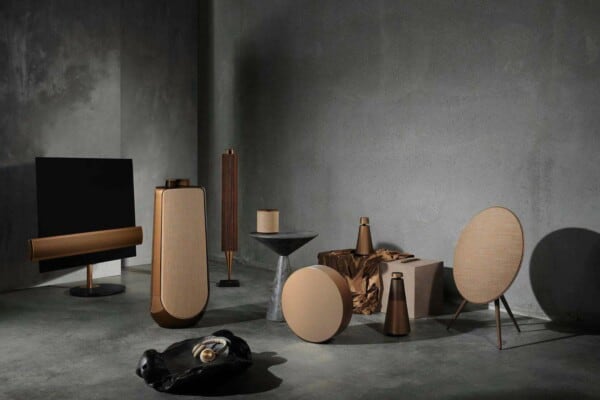
The new Honey Tone finish replaces the colder, more clinical aluminum aesthetic with something softer and more deliberate. Gold-adjacent, but restrained enough that the design team can still say words like “timeless” without laughing. The company describes it as inspired by jewelry that complements personal style rather than competes with it, which is exactly the sort of sentence luxury brands write when they’re selling status to people who don’t want to admit they’re buying status.
Still, the color works.

It has that muted champagne warmth currently spreading across luxury everything — watches, kitchen hardware, electric cars, handbags, boutique hotels that charge $1,000 a night to serve eggs in ceramic bowls handmade by somebody named Luca. Tech companies used to obsess over performance specs because that’s what differentiated them. Now half the industry wants to become Hermès with Bluetooth.
Bang & Olufsen’s Senior Director of Design, Kresten Bjørn Krab-Bjerre, called the Honey Tone finish “quiet elegance,” which sounds like the title of a Gwyneth Paltrow newsletter. But he’s also not wrong. The earbuds don’t scream for attention. They whisper wealth instead. Different category entirely.

The Beo Grace earbuds already leaned heavily into sculptural industrial design before this update. Polished aluminum surfaces, smooth architectural curves, a pearl-blasted charging case that probably took sixteen meetings and a Scandinavian mood board to approve. Every detail feels intentional in the very specific luxury-tech way where nothing can ever appear accidental, even if someone spent six months deciding the radius of a corner.
You can immediately tell these weren’t designed by engineers alone.
And beneath all the aesthetic theater, the audio specs are serious. Bang & Olufsen built the Beo Grace around a 12 mm titanium driver, with Adaptive Active Noise Cancellation and Spatial Audio optimized for Dolby Atmos. Translation: they sound extremely good while looking expensive enough to make you slightly self-conscious wearing them at an airport Starbucks.
The company says the sound profile is immersive across music, films, and podcasts. Which means yes, you can now hear two startup founders discuss “AI transformation” in exceptionally rich detail while sitting in business class pretending not to eavesdrop on the divorce conversation behind you.

The calls are crisp too, apparently. Important feature. The luxury consumer spends most of their life trapped in Zoom rectangles anyway.
Comfort also got an upgrade. Bang & Olufsen redesigned the ear tips with a more oval shape to improve fit and sealing during longer listening sessions. Tiny change, huge difference. Anyone who has worn premium earbuds for more than four hours knows the dirty secret of consumer electronics: eventually every “ergonomic” product starts feeling like a medieval punishment device pressing into your skull.
The Beo Grace earbuds are also IP57 rated for water and dust resistance, which means they’ll survive rain, workouts, and whatever horrifying ecosystem currently exists at the bottom of designer tote bags.
The more interesting part is the battery story, though, because luxury tech companies have quietly realized consumers are getting tired of paying premium prices for disposable products.

Bang & Olufsen partnered with battery intelligence company Breathe to develop a battery management system that reportedly surpassed 2,000 charge cycles during internal testing. That’s substantially higher than what you typically see in consumer electronics, where the battery often dies emotionally before it dies technically.
People have started noticing this.
Especially wealthy customers, who increasingly expect expensive objects to age gracefully instead of turning into e-waste three years later. Funny how sustainability suddenly becomes important once products cross the thousand-euro mark.
And yes, these cross it comfortably.
The Beo Grace in Honey Tone launches globally a few weeks ago through Bang & Olufsen and selected retail stores for $1,500 or 1,200 EUR.