Kempinski is coming to America. But not with a luxurious hotel. With residences. In Miami. Specifically, the town’s hip Design District, which tells you almost everything you need to know about who this is for and how carefully this move has been calibrated.
The project is called Kempinski Residences Miami Design District, and it will rise along Biscayne Boulevard, right at the neighborhood’s edge where art, fashion, and real estate prices all quietly dare each other to blink first. This is Kempinski’s first branded residential development in the United States, and no, that’s not a coincidence or a side quest. It’s a strategy.
Kempinski has spent more than 150 years perfecting a particular kind of luxury — European, restrained, allergic to hype. This is the brand that assumes you don’t need to be impressed loudly. Which makes its U.S. debut interesting, because America, and Miami especially, usually prefer their luxury to arrive with a megaphone and a drone shot.
So why now? Because the American luxury buyer has changed. They travel more. They’ve stayed everywhere. They’ve grown tired of “iconic” being used as punctuation. Kempinski is betting that a slice of this market now wants service that fades into the background instead of jumping into their selfies.

The development is being built by DaGrosa Capital Development Partners, with ISG World handling sales — a signal that this isn’t a vanity build or a branding experiment gone rogue. This is a long-term asset play dressed up as residential calm. Serious people, serious money, serious expectations.
The bones of the project are straightforward but deliberate. Two 20-story towers. 132 residences. Six townhomes. Seventeen guest suites reserved for residents, which sounds small until you realize how rare that detail actually is — and how much it says about how Kempinski thinks people live.
The homes themselves are large. Properly large. Two to four bedrooms, interiors stretching from 2,100 to over 3,100 square feet and massive terraces pushing total living space close to 3,700. This is not “luxury efficiency.” This is luxury that assumes you own things and intend to stay awhile.
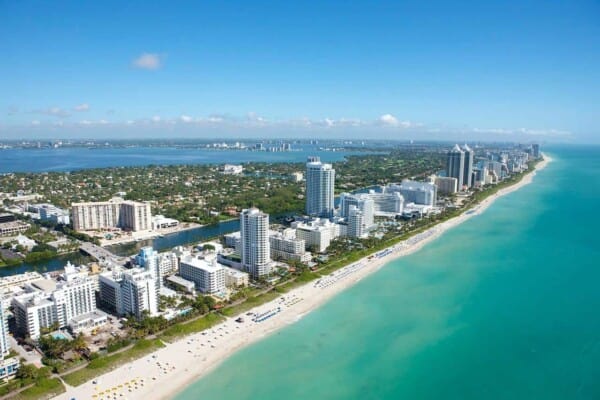
Views take care of themselves. Biscayne Bay. Downtown Miami. You don’t need poetry here. Water and skyline still sell.

Arquitectonica handles the architecture, which means the towers will look like Miami without trying too hard to look like Miami. Rockwell Group takes on interiors, bringing hospitality DNA into spaces that will actually be lived in, not just photographed. Enea designs the landscape, softening the whole thing so it doesn’t feel like another glass object dropped onto the city.
The more telling detail is who runs the building once the sales brochures are gone. Kempinski will manage the property directly. That’s where branded residences usually succeed or quietly fail. Service is easy to promise and hard to sustain. Kempinski’s version leans toward intuition and consistency, not performance. No white-glove theater. No forced familiarity. Just competence, delivered daily, which feels oddly radical in luxury real estate right now.
Amenities live on a third-floor bridge connecting the towers — a shared zone that blends wellness and social life without turning either into spectacle. There’s a full fitness and spa setup, lap pool, cold plunge, saunas, outdoor training spaces. All the things you want available and hope you’ll use more often than you actually will.
Social spaces avoid the usual developer excess. A restaurant with terrace seating. Dining salons that don’t scream “private event.” A library paired with wine and game lounges, which suggests someone actually thought about how people unwind. A screening room. Golf and Formula 1 simulators, because this is still Miami and restraint only goes so far.
Families aren’t treated like a zoning problem. Playrooms, splash areas, shaded outdoor spaces are integrated instead of hidden. A padel court acknowledges South Florida’s current fixation, and EV charging is included without making a speech about it.
Completion is scheduled for Q4 2029, which tells you this is a long game. Kempinski isn’t chasing a cycle. It’s betting on Miami’s continued evolution into a design-first, globally fluent city that doesn’t need to explain itself anymore.