Bel Air has another megamansion chasing history. This time, the number attached to it is $400 million, which feels less like a listing price and more like something whispered into a private banker’s ear after too many martinis at the Hotel Bel-Air.
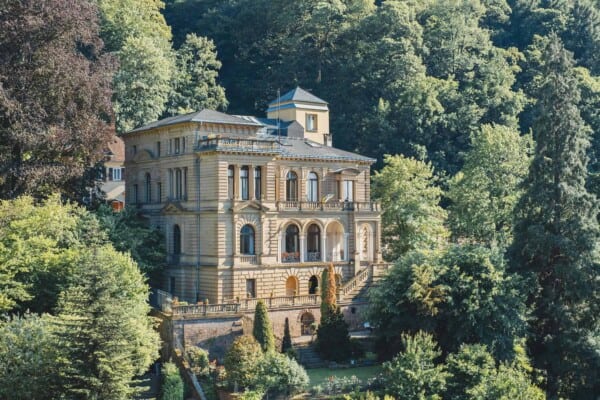
The estate, perched on an eight-acre promontory above the Bel-Air Country Club, has quietly arrived on the market with ambitions that stretch far beyond Los Angeles. If it sells anywhere near ask, it could become the most expensive home ever sold in the United States, overtaking the dizzying sums tied to Aspen ranches, Miami waterfront compounds, and those billionaire Manhattan penthouses that still somehow feel cramped compared to this place.
And yes, people are already comparing it to The One. They have to. Los Angeles loves a sequel.

A little over a decade ago, developer Nile Niami spent years promising the world a half-billion-dollar house called The One, a property so absurdly oversized that it became its own genre of real estate theater. The final chapter turned out less glamorous than the renderings suggested. After bankruptcy drama and endless headlines, Fashion Nova founder Richard Saghian picked it up in 2022 for just.. $141 million. Expensive, certainly. Still nowhere close to the fantasy number once attached to it.

This new Bel Air estate arrives with a different energy. Less Instagram spectacle. More old-world power move.
The house was completed in 2018 and designed by Peter Marino, whose work tends to carry the sort of polished severity that luxury brands adore. Chanel boutiques, ultra-private residences, galleries with museum-grade restraint. That world. Marino collaborated with Peter McCoy of McCoy Construction, and together they created something that feels almost diplomatic in scale. Not merely large. Sovereign.

The numbers alone sound faintly unreal: 70,000 square feet in total, 39 bedrooms, 50 bathrooms, and another nine powder rooms because apparently 50 wasn’t sufficient for modern life in Bel Air.
The main residence spans roughly 50,000 square feet and unfolds through a series of lounges, formal dining rooms, reception spaces, and private corners designed for people who never really need to leave home again. There are two kitchens, naturally. One commercial-grade, one intended for family use, plus eight service and butler pantries supporting the operation behind the scenes. At this level, a house starts behaving like a luxury hotel with a very selective guest list.

Then come the amenities, and this is where the property drifts into wonderfully surreal territory.
There’s a full spa with separate men’s and women’s facilities, an indoor pool, a hammam, massage suites, hot and cold plunge pools, a gym, a Pilates studio, and a beauty salon. Somewhere in the lower levels sits an actual X-ray room for private medical visits, which might be the most quietly billionaire detail of them all. Forget bowling alleys and nightclubs. The true luxury now seems to be avoiding waiting rooms.

Outside, the grounds look almost too perfectly manicured. A mosaic-tiled swimming pool stretches beside layered water features and a bright red Jeff Koons “Balloon Dog” sculpture that practically screams contemporary wealth from across the lawn. There’s also a tennis court with viewing areas, an alfresco dining pavilion with a pizza oven, and enough terraces to host a diplomatic summit or a wedding for someone whose last name appears on museum wings.
The guesthouse alone spans about 30,000 square feet. In most cities, that would qualify as a major boutique hotel. Here, it’s secondary.

And then there’s the infrastructure nobody talks about in glossy listing photos but everyone wealthy cares deeply about: subterranean garages, safe rooms, elevators, art storage, extensive back-of-house operations, security facilities, laundry rooms, service corridors. Houses at this level stop functioning as homes in the traditional sense. They become compounds engineered for privacy, logistics, and permanence.

According to The Wall Street Journal, the estate took roughly a decade to complete and cost more than $350 million to build. The property is currently owned by an entity linked to Qatar’s ruling Al-Thani family, which reportedly acquired the site in 2010 for $35 million. Even in Los Angeles, where real estate inflation has become its own spectator sport, that jump feels astonishing.

Of course, there’s also the annual property tax bill, which reportedly tops $1.4 million a year. That’s the sort of figure that makes even expensive homes elsewhere in America suddenly feel charmingly provincial.
Still, ultra-prime real estate has entered a strange new era where rarity matters more than logic. Billionaires don’t necessarily want the biggest house anymore. They want the one nobody else could possibly replicate. Flat land in Bel Air with panoramic views stretching from downtown Los Angeles to the Pacific Ocean? There’s almost none left. Peter Marino-designed compounds with hotel-scale wellness facilities and Koons sculptures beside the pool? Even less.
So the $400 million price tag begins to make a certain terrifying kind of sense. The property is listed by Jack Harris and Michael Fahimian with The Beverly Hills Estates.